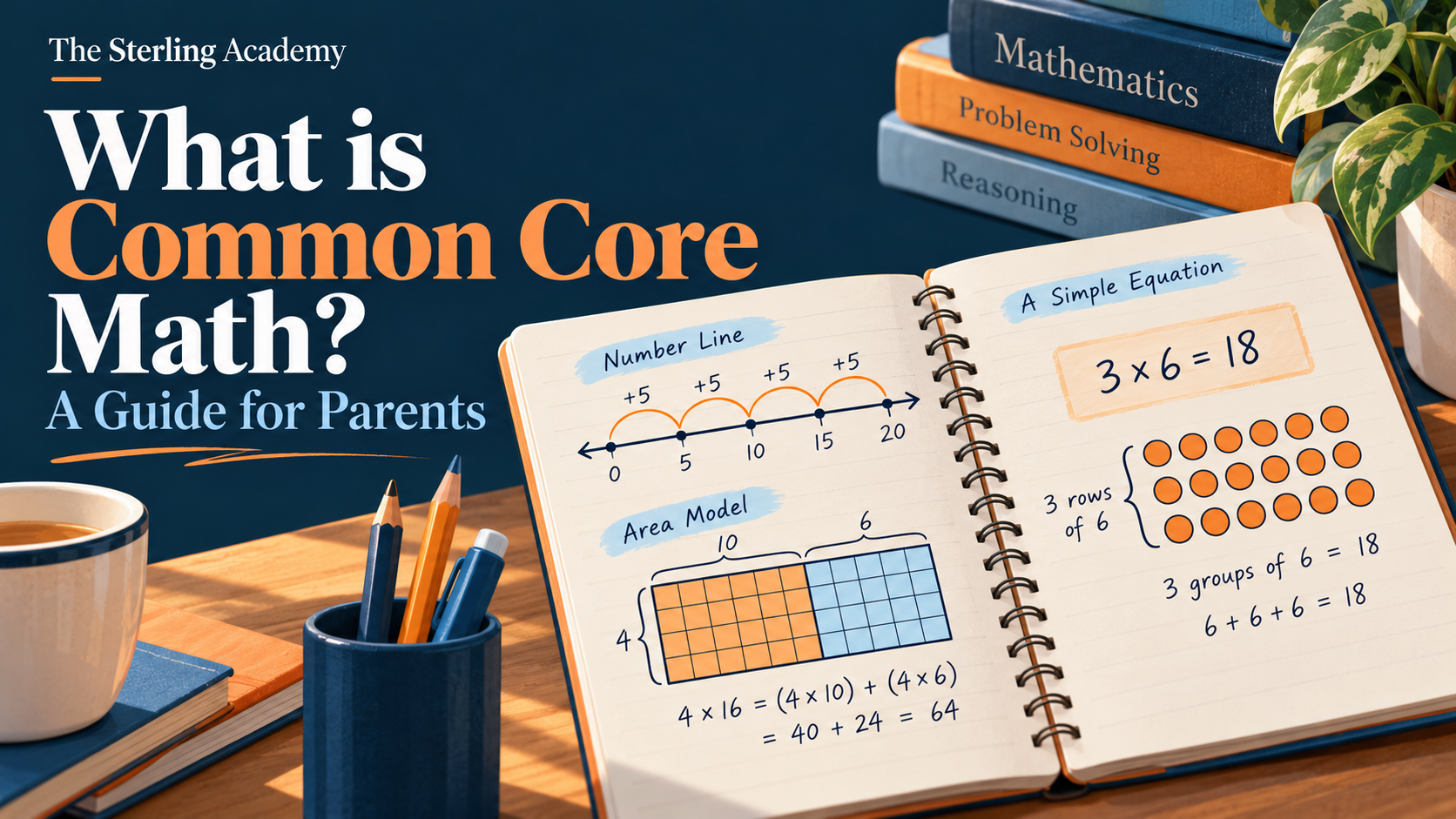
Common Core
What is Common Core math? A guide for parents
What Common Core math is, why your child's homework looks different from how you learned, worked examples of the methods, and how to help at home.
Arooj Shahid · 26 Oct 2026 · 5 min read
Simple reading comprehension strategies to use at home, from previewing a book to finding evidence in the text, and how they match the Common Core standards.
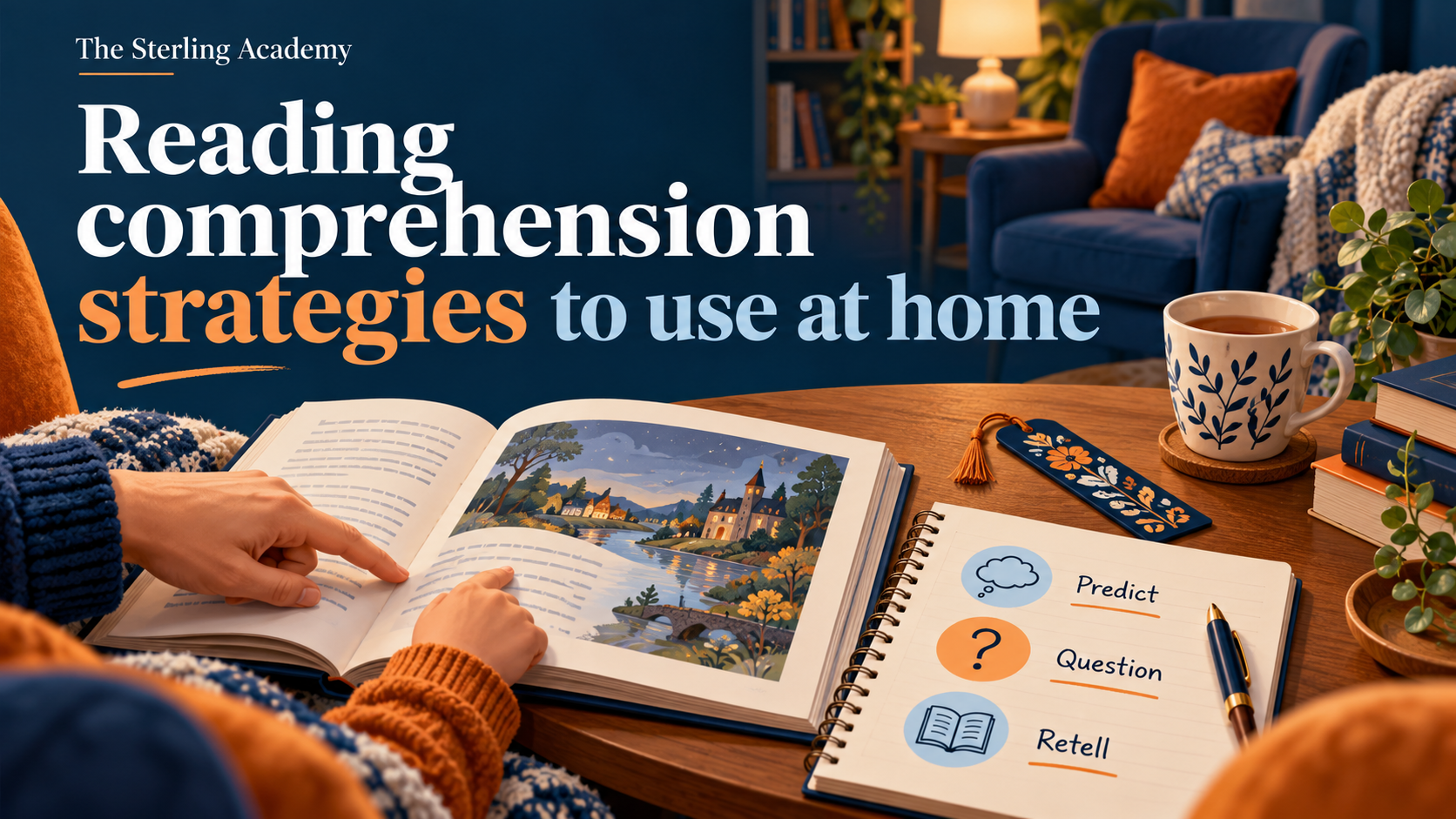
A child can read every word on a page and still not understand it. Comprehension, understanding what you read, is a separate skill, and it can be taught. Here are strategies that work at home with any book, and how they connect to what your child's school expects.
The Common Core standards for English language arts ask students, from the early grades, to read closely, work out the main idea and support their answers with evidence from the text. As children move up through school they are also expected to read more nonfiction, across all their subjects and not only in English class. Questions on class tests and state tests often ask "How do you know?", and the answer has to come from the text.
Preview. Look at the title, the cover, the headings and the pictures together. Ask, "What do you think this will be about?" A prediction gives your child a reason to read on.
Connect to what they know. Ask what your child already knows about the topic. Knowing something about a subject makes a text about it much easier to understand, which is why wide reading and conversation pay off over time.
Stop and ask questions. Pause every page or two. Who is this about? What just happened? Why did that character do that? Then let your child ask you a question too.
Notice when it stops making sense. Good readers notice when they are lost. Teach your child to stop, reread the last part and look again at any word they do not know.
Picture it. Ask your child to describe what a scene looks like, or to sketch it. Making a picture in their head helps them follow what is happening.
Work out new words. Before reaching for a dictionary, ask what the words around a new word suggest it means. Then check together.
Summarize. Ask for the main idea in one or two sentences, then two or three details that support it. For stories, the frame "Somebody wanted... but... so... then..." helps your child retell the plot in order.
Find the evidence. When your child answers a question, ask "How do you know?" and have them point to the sentence that shows it. This is the habit the standards ask for most often.
Talk about the big picture. What was the author trying to say? Does your child agree? Would they recommend the book to a friend, and why?
The National Reading Panel, convened at the request of the US Congress, reviewed the research on teaching reading in a report published in 2000. It found that teaching children to use strategies like these, among them asking questions, checking their own understanding and summarizing, improves how well they understand what they read.
Kindergarten to 2nd grade: read aloud together every day and talk about the story. Children can follow harder books by listening than they can read alone, so reading aloud still helps after they start reading by themselves.
3rd to 5th grade: this is when children move from learning to read to reading to learn. Focus on the main idea, summarizing, and nonfiction such as science and history books.
6th to 8th grade: practice finding the author's argument, comparing two texts on the same topic, and writing short answers that quote the text.
If your child reads very slowly, guesses at words or avoids reading, the problem may be reading the words rather than understanding them, and comprehension strategies alone will not fix that. Talk to the teacher. If you are worried about a learning difference such as dyslexia, you can ask the school to evaluate your child.
Ten or fifteen minutes of reading and talking a day, kept relaxed, does more than a long session once a week. Keep it a conversation, not a quiz.
Our teachers tutor Common Core English one-to-one and online, following your child's grade, for families in the US, the UAE and the UK. The first class is free.
Want help with Common Core English? The first class is free.
What Common Core math is, why your child's homework looks different from how you learned, worked examples of the methods, and how to help at home.
Arooj Shahid · 26 Oct 2026 · 5 min read
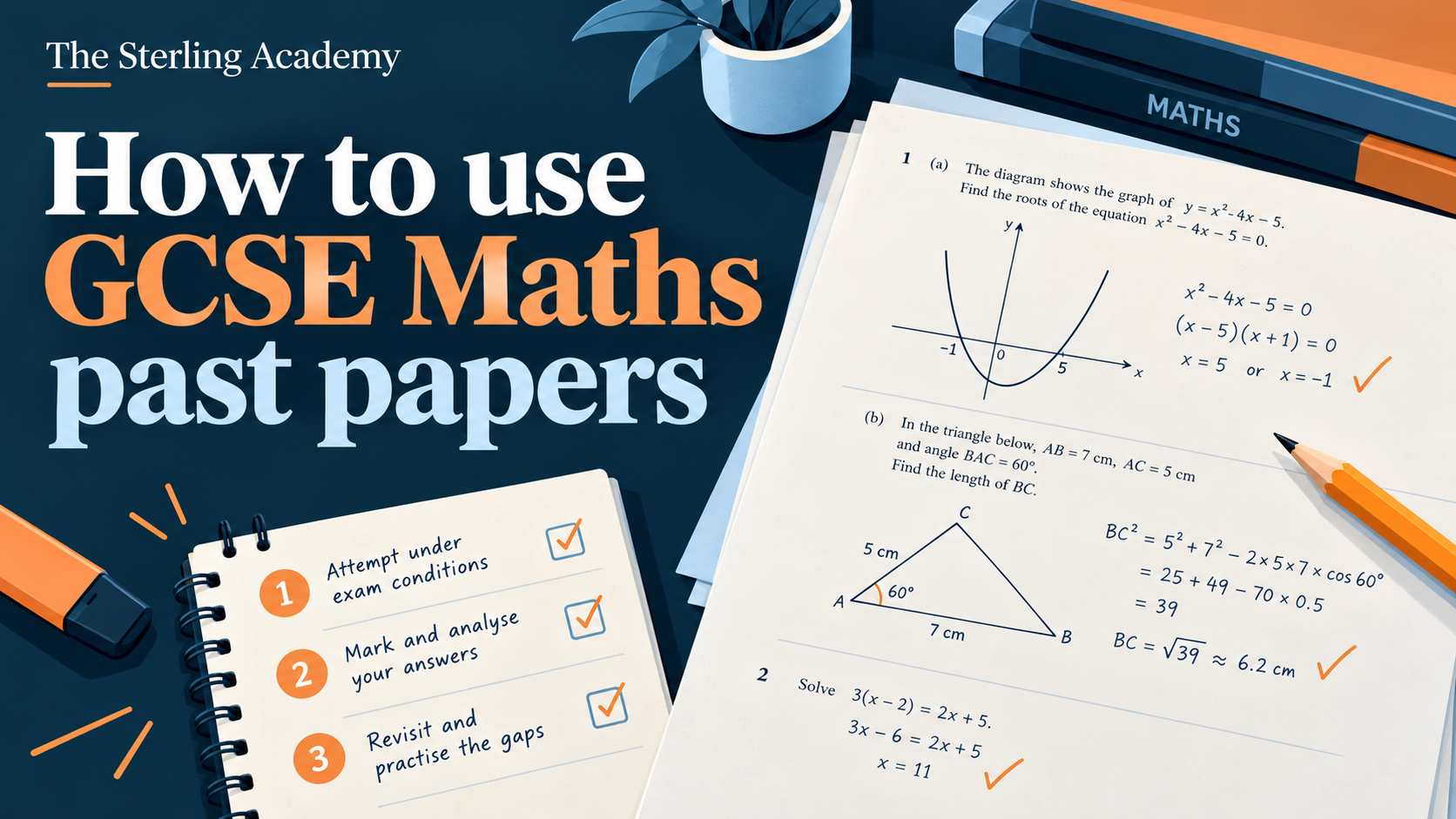
Where to find GCSE Maths past papers, when to start them and how to mark them, so that each paper shows your child exactly what to revise next.
Arooj Shahid · 26 Oct 2026 · 4 min read
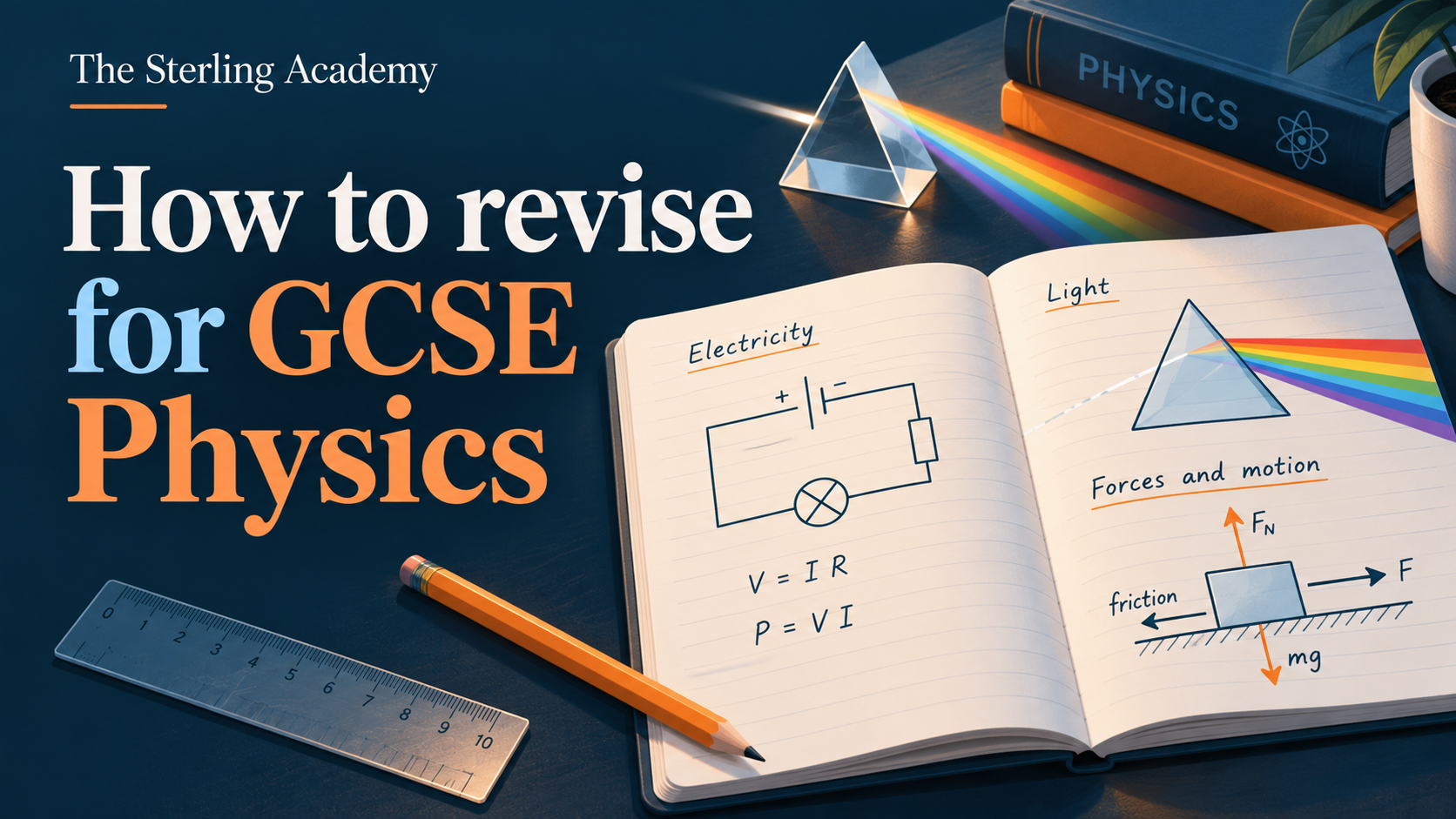
How to revise GCSE Physics: learn the equations and units, set out calculations the same way each time, prepare for the practicals and use past papers well.
Arooj Shahid · 26 Oct 2026 · 4 min read
Enrollment takes about five minutes. Tell us about your child and the times that work, and we'll book their first class free: no card details, no obligation to continue.