GCSE
How to use GCSE Maths past papers
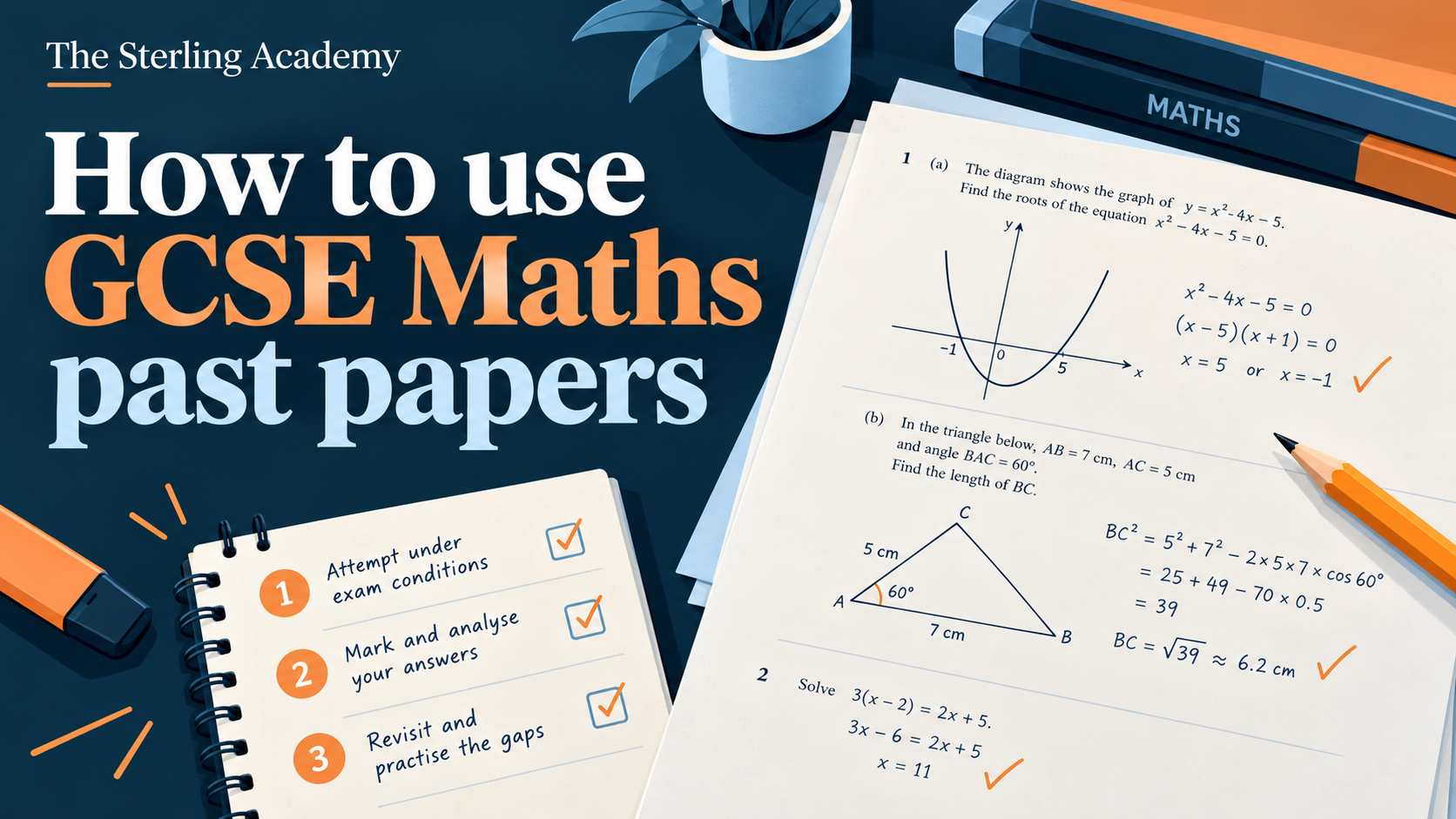
Where to find GCSE Maths past papers, when to start them and how to mark them, so that each paper shows your child exactly what to revise next.
Arooj Shahid · 26 Oct 2026 · 4 min read
How to revise GCSE Physics: learn the equations and units, set out calculations the same way each time, prepare for the practicals and use past papers well.
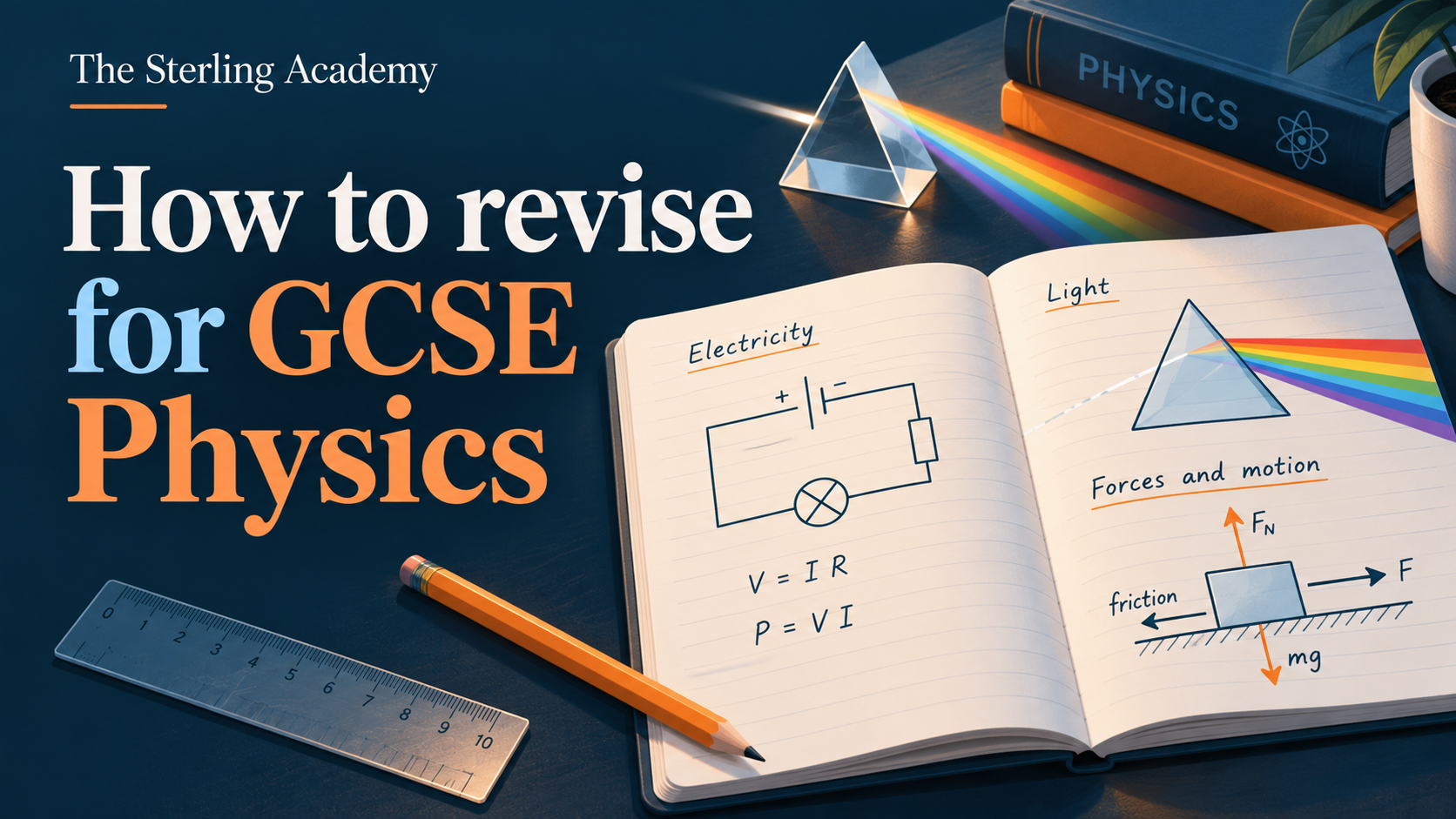
GCSE Physics needs a particular kind of revision. Reading notes again helps less than in most subjects, because many of the marks come from calculations and from applying ideas to situations your child has not seen before. Here is how to spend revision time where the marks are.
Students taking GCSE Physics as a separate science usually sit two physics papers of 1 hour 45 minutes. Students taking Combined Science sit shorter papers that cover physics alongside biology and chemistry. Both come in Foundation and Higher tiers. Ask the school which board and tier your child is entered for, then download that board's specification. It lists every topic, equation and practical that can come up, and it makes a good checklist.
At British-curriculum schools in the UAE and elsewhere outside the UK, many students take International GCSE Physics instead, from Cambridge (0625) or Pearson Edexcel (4PH1). The papers are set out differently, but the way to revise below works for both.
Your child has to learn some equations by heart and is given others on an equation sheet in the exam. The specification says which are which. Knowing an equation means knowing what each symbol stands for and its unit, not only the letters. Power = energy transferred ÷ time is only useful if your child also knows that energy is in joules, time is in seconds and power is in watts.
Flashcards work well here: the equation on one side, and what each symbol means with its unit on the other. A few minutes of testing a day is better than an hour once a week.
In the GCSE, at least 30% of the physics marks are for maths skills, and calculations carry many marks in the International GCSE too, so practising them is where many students gain the most. Use the same four steps for every question:
Write down the equation you are using.
Convert every value to the standard unit first: kilojoules to joules, grams to kilograms, minutes to seconds.
Put the numbers in, and rearrange if you need to.
Give the answer with its unit, rounded sensibly.
Examiners give marks for the steps, so written working can earn marks even when the final number is wrong. A value that was never converted is an easy way to lose a mark. Practise standard form and prefixes such as milli, kilo and mega as well, because they come up often.
Each board names a set of required practicals that your child carries out in class, and at least 15% of the marks in GCSE science exams are for questions about practical work. International GCSE courses test practical skills too, in a practical exam or in written questions about practical work. Either way, the questions ask about the method, the variables, how to make results more accurate and what the results show.
For each practical your child should be able to write the method in a few steps, name the independent, dependent and control variables, and say how to reduce errors. One short summary card per practical is enough.
The longer written questions, often worth 6 marks, are marked on how complete and well ordered the explanation is. Practise them by writing a full answer, then checking it against the points in the mark scheme. Use the exact terms: "the resistance increases" earns marks, "it gets harder for the electricity" does not.
Once most topics have been taught, do past papers from your child's board in timed conditions and mark them with the mark scheme. Note each lost mark and why it went: a slip, a unit, a topic not understood yet, or running out of time. Spend the next week on the biggest of those before starting another full paper.
Two short sessions on one topic, each ending with past paper questions on it. One session of mixed calculations from different topics. Ten minutes a day on equations and units. Short, regular sessions like these do more than one long session at the weekend.
Our teachers tutor GCSE Physics and International GCSE Physics one-to-one and online, for families in the UK, the UAE and the US. The first class is free.
Want help with GCSE Physics? The first class is free.
Where to find GCSE Maths past papers, when to start them and how to mark them, so that each paper shows your child exactly what to revise next.
Arooj Shahid · 26 Oct 2026 · 4 min read
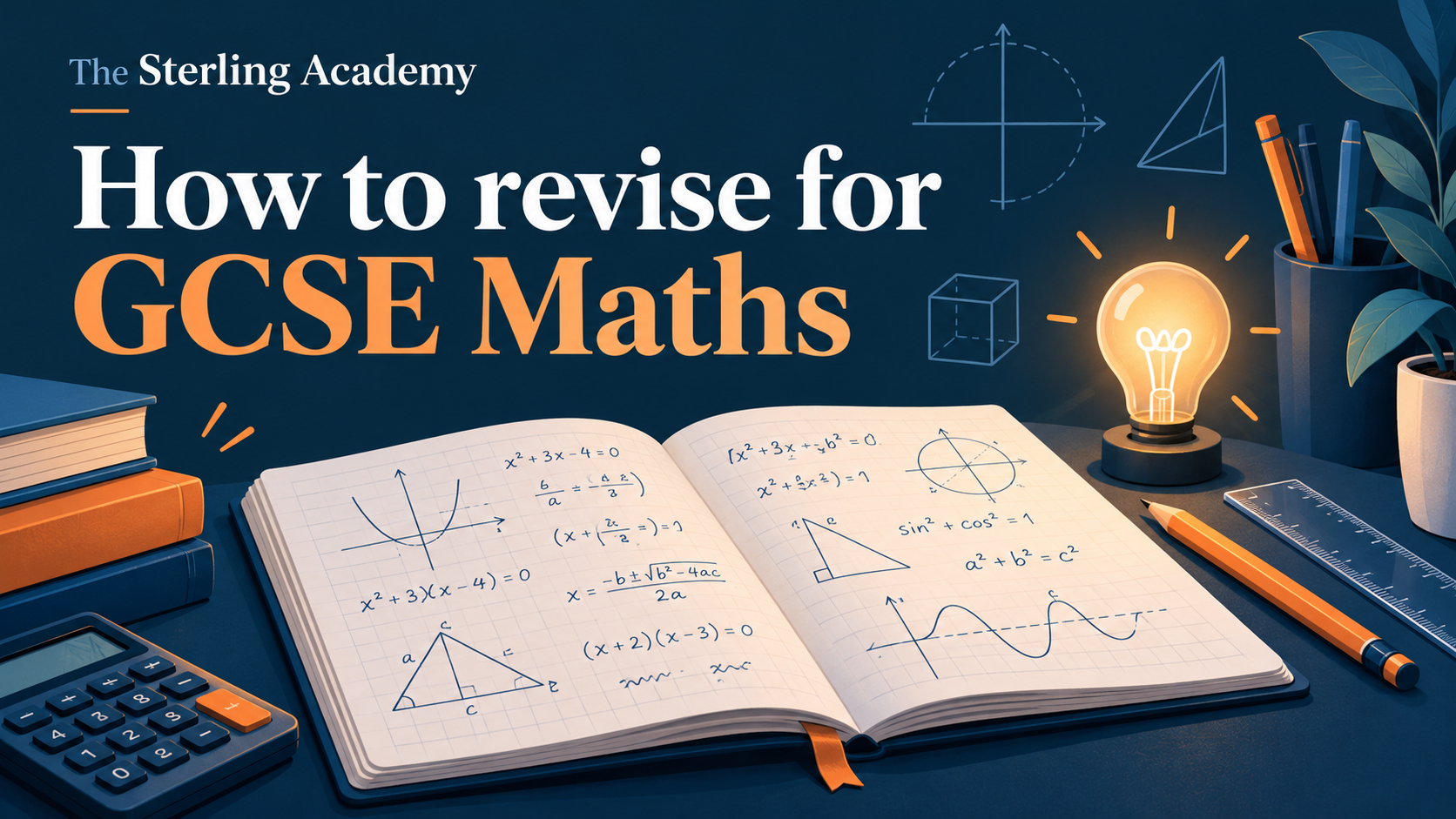
A step-by-step plan for GCSE Maths revision: find the gaps, practise by topic, work on the calculator and non-calculator papers, and use past papers well.
Arooj Shahid · 24 Oct 2026 · 2 min read

Simple reading comprehension strategies to use at home, from previewing a book to finding evidence in the text, and how they match the Common Core standards.
Arooj Shahid · 26 Oct 2026 · 4 min read
Enrollment takes about five minutes. Tell us about your child and the times that work, and we'll book their first class free: no card details, no obligation to continue.